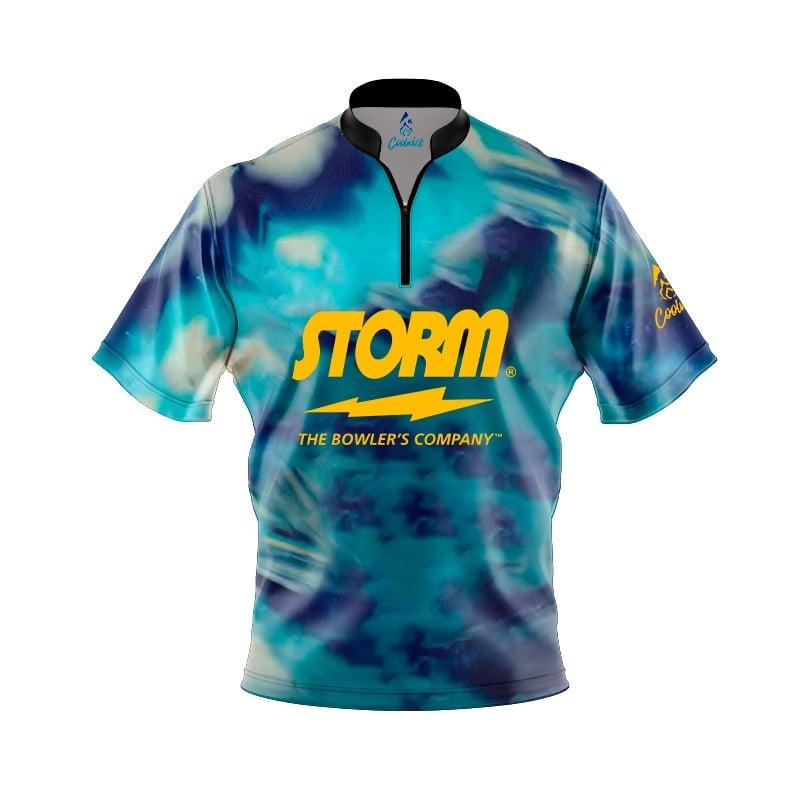
The Ion Pro Pearl expands the Ion Pro Series with a balanced combination of length, angle, and power designed to excel on medium to medium-heavy oil conditions. Built around the proven Element Tour A.I. Core and the latest NRG Pearl Reactive coverstock, the Ion Pro Pearl was engineered to create harmony between the core and coverstock, producing a predictable read through the lane and a strong, controlled move through the pins. The low RG, medium differential core provides a stable foundation with enough flare to handle changing lane conditions, while the NRG Pearl Reactive coverstock adds length and responsiveness without sacrificing midlane traction. As a natural progression from stronger asymmetrics, the Ion Pro Pearl gives bowlers the confidence to create more angle and move deeper into the lane as the patterns transition, while maintaining the versatility and predictable motion that define the Ion Pro family.
NRG Pearl Coverstock
The Ion Max Pearl features Storm’s trusted NRG™ cover formulation in a polished pearl finish, engineered to provide a clean look through the front of the lane while maintaining midlane traction. Finished with Power Edge, the NRG™ Pearl delivers a faster, more decisive response at the breakpoint while maintaining control through the pins. This balance of cleanliness and traction allows the Ion Max Pearl to perform consistently across a variety of lane conditions and playing styles.
Element Tour A.I. Core
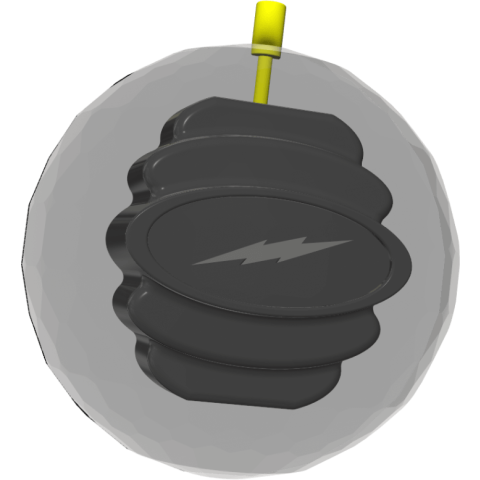
The stacked ellipse design of the Element Core places the smaller ellipses towards the ends of the X-Axis and the widest ellipse at the center of the Y-Axis. Conceptually opposite to cavity designs featured in the Crux™ and Absolute™, the Element Core dynamics will change more between different layouts with this shape because of it. This center heavy concept places the largest ellipse in the geographic center of the ball. More mass towards the center lowers the RG and, in conjunction with the A.I. Core, makes the Element weight block one of the lowest RG asymmetrical designs Storm has ever had. Normally on asymmetric weight blocks, the thinnest portion creating the asymmetry is very close to the Y-Axis. Stairstep asymmetry is the opposite of that. The widest part is at the Y-Axis which would normally decrease asymmetry, but each subsequent ellipse is offset and skinnier than the previous one which creates asymmetry with each stairstep.